
Outdoor TV Screens – Saving Lives – Part one
Outdoor digital signage is receiving a boon from advertisers and marketers who are finding this technology a cost effective method of promotion, advertising and providing information such as wayfinding. Read More
Digital Signage in Healthcare
Digital signage has become a popular feature in retail and in our stores and shopping malls. However, retail is only one industry that has been quick to adopt this new technology for advertising purposes but there are others that finding other uses for digital signage that are providing just as many benefits. Read More
Armagard Launch Two Exciting New Products at InfoComm 2011
InfoComm 2011 starts next week at the Orange County Convention Center in Orlando, Florida—and Armagard will be there at Booth #4370, demonstrating two exciting new products. Read More
Use of Screens in Aquariums, Zoos and Museums
While digital signage is commonly thought of as a marketing tool, with shopping malls and airports littered with screens selling everything from toothpaste to fast food, other uses for the technology are being implemented all the time. Read More
Mounting Options for Digital Signage – Floor Ceiling or Wall
When it comes to a successful digital signage campaign readability and location are everything. There is no point in investing in screens, content and digital signage enclosures if your message is not getting read. Read More
Debate over Future Success of Outdoor Digital Signage
Out of home advertising has changed over the last decade with the rise of digital signage. The fall in price of LCD and other flat screen technology means that increasingly, these modern digital displays are replacing the static posters and other out of home advertising around our cities and towns. Read More
An Outdoor TV for a Budget
The way we watch television has changed over the last few years. We have waved goodbye to the VCR and welcomed technology like TiVo that enables us to watch TV shows when we want – not when the schedulers want us to.
Where we watch television has changed a lot too. With the Internet now a common source for many of our favorite shows, the living room is no longer the only place where we settle down to watch TV. Read More
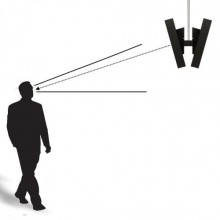
Positioning Outdoor Screens for Maximum Effect
Outdoor screens have many uses and applications. For advertisers, outdoor digital signage reaches large audiences and provides an effective and visible form of out of home marketing. For retailers and manufacturers, outdoor digital signage provides an effective method of branding, getting the company name instilled in people’s memory. And for service providers, outdoor screens provide a real-time communication platform, helping to keep customers informed of changes, schedules and timetables. Read More
Giant Sized LCD Enclosures – For Big Screen Outdoor Digital Signage
Since LCD screens began dominating the home entertainment sector, the large flat panel TVs have got bigger and bigger. IT is now not uncommon for large 50” plus screens to be used in people’s front rooms, and when LCDs are taken out of the home and used as digital signage then even larger screen sizes are used.
Increasingly, TV manufacturers are producing larger and larger sizes of LCD TV, and with these behemoths come a requirement to protect them in outdoor locations.
Large sized screens are ideal for outdoor digital signage as the bigger the screen, the more easily the TV is viewed from afar, and for this reason many outdoor screens are much larger than the LCD TVs we use at home.
But producing LCD enclosures for such giant-sized screens can be difficult as these devices require quite a lot of power and generate quite a large amount of heat, which has to be dissipated to prevent the screen from overheating.
Cooling is an essential aspect of providing protection for giant-sized LCD screens. Not only do there need to be a lot of cooling fans to ensure heat is transferred away, but some of filter has to allow fresh air in, and the heated air out.
Using any type of a filter on an outdoor LCD enclosure is made difficult by the need to ensure that water and other weather elements can’t penetrate the LCD enclosure and infest the TV.
Another difficulty faced in providing LCD enclosures for such large-sized devices is ensuring they are securely mounted. A screen of this size, plus the enclosure that houses it can exceed 200 kg (440 pounds) so has to be mounted securely.
Despite these challenges, 70” LCD enclosures are now commonly available and are ideal for protecting large-sized devices in not just outdoor locations but ensuring this heady investment is physically secured as well with a rugged steel body and shatterproof screen protecting from impacts and vandalism.
Digital Signage and Art – A Modern Medium
While we are all familiar with digital out of home (Dooh) and outdoor digital signage used for marketing, branding, promotion, advertising and information, there are other far less utilitarian uses for digital screens.
With the rise of touch screen and tablet computers like the iPad, digital signage is being used in the art world – not only to display artists work, but also to create it.
David Hockney, the celebrated British artist, has embraced this technology as a way of enabling him to create works and distribute it – doing away with galleries, printing and allowing the artist to get instant responses and critiques to the work.
Hockney, a septuagenarian, has experimented with digital technology for a long time but has said it is only recently that the speed of computing has allowed work to be created digitally as well as being displayed.
And Hockney isn’t the only one. British stately home Chatsworth House has introduced digital signage and digitally designed work in its art collections. Created by another British artist Michael Craig-Martin, a contemporary conceptual artist, created a digital black line portrait of Laura Burlington, the present Lady Burlington, which was commissioned by Lord Burlington.
The digital signage is used not just to display the portrait but to also transform the line portrait into coloured images. The areas of the image is divided into nine different areas and the digital signage software places different colours into these areas every few seconds, meaning the portrait changes continually and is never the same.